What Challenges Arise When Automating Low-Volume Metal Fabrication?
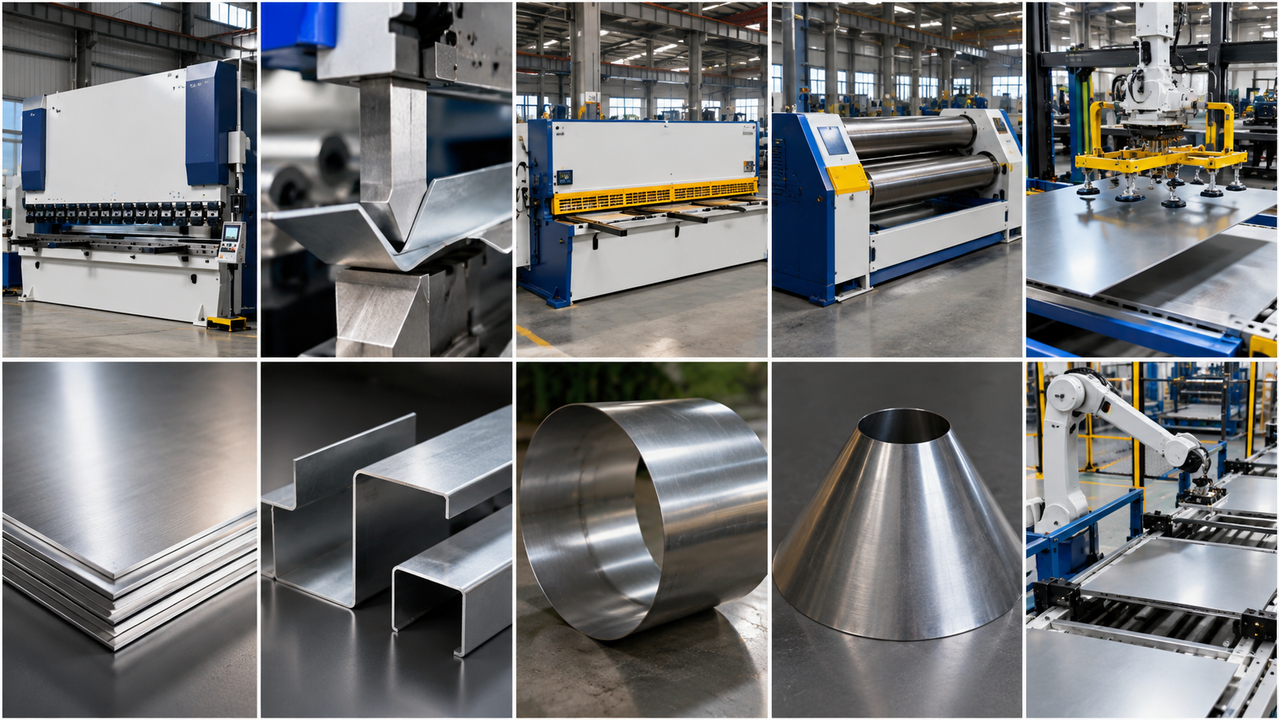
Automating low-volume metal fabrication presents a distinct set of challenges that differ significantly from high-volume manufacturing environments. Companies seeking to integrate automation into small-batch production must navigate complex trade-offs between flexibility, cost, and efficiency. This article explores the strategic considerations and obstacles that emerge when attempting to automate processes in such specialized production settings.
Low-volume metal fabrication often involves customized parts, varied specifications, and unpredictable workflows, which complicate the deployment of automated equipment. Addressing these issues requires a thorough evaluation of operational objectives and a clear understanding of how automation technologies can be tailored to meet unique production demands. The following sections provide a strategic overview and decision guide for companies confronting these challenges.
Balancing Flexibility and Automation Efficiency
Impact of Production Variability on Automation
Low-volume metal fabrication projects typically involve a wide variety of part designs and frequent changes in production runs. This variability demands a high degree of flexibility that standard automation systems often lack. Unlike repetitive high-volume manufacturing, where fixed automation excels, low-volume operations require adaptable solutions capable of handling diverse tasks without extensive reprogramming.
Automation equipment must therefore be selected and configured to accommodate intermittent production schedules and quick product turnovers. The challenge lies in maintaining automation efficiency without sacrificing the ability to switch between different fabrication processes rapidly. This balancing act often requires modular or reconfigurable machinery that can be customized for specific jobs.
Cost Implications of Flexible Automation
Implementing automation with the necessary flexibility introduces higher upfront investments compared to fixed systems. The cost of programmable robotics, adjustable tooling, and advanced control software can be substantial for smaller production volumes. Decision-makers must carefully assess whether the expected productivity gains and quality improvements justify these expenses.
For example, a facility might consider investing in a plate rolling machine - SHENCHONG that offers adaptable configurations to handle varying metal thicknesses and shapes. Such equipment can improve throughput and consistency but requires significant capital and skilled operators to optimize its use effectively.
Strategic Approaches to Flexibility
One effective strategy is integrating semi-automated processes where human intervention complements automated steps. This hybrid approach allows for quick adjustments and decision-making while leveraging the precision and repeatability of machines. It also reduces the risk of costly downtime caused by rigid automation systems struggling to adapt to new tasks.
Additionally, investing in simulation software and digital twins can help visualize production changes and optimize automation setups before physical implementation. This foresight can minimize trial-and-error on the shop floor and accelerate the adaptation to low-volume production demands.
Ensuring Quality and Precision in Variable Runs
Maintaining Consistency Across Small Batches
Automating low-volume metal fabrication challenges operators to preserve quality standards despite frequent part changes and limited runs. Unlike large-scale production, where process parameters remain stable over thousands of parts, low-volume fabrication requires constant recalibration and verification to ensure precision. This increases the complexity of quality control systems integrated within automation.
Automation systems must incorporate real-time monitoring and feedback loops to detect deviations quickly and adjust parameters accordingly. Without this capability, the risk of producing defective parts rises, undermining the benefits of automation.
Technical Challenges in Precision Metal Fabrication
Processes such as bending, cutting, and forming require careful control over variables like force, angle, and material behavior. Managing factors such as shear blade clearance becomes critical to avoid material damage and ensure dimensional accuracy. These technical demands intensify when dealing with short production runs that do not allow extensive setup optimization.
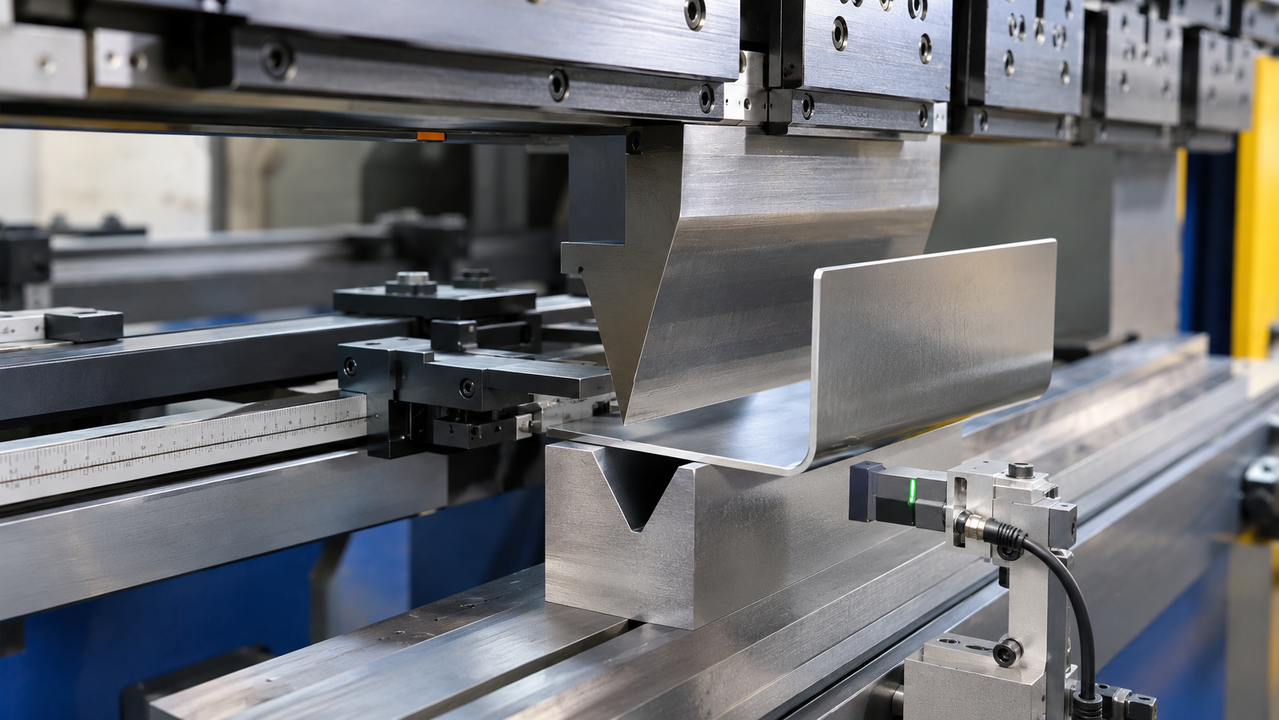
Moreover, material inconsistencies and springback effects complicate the automation of bending operations. Automated systems must be equipped with sensors and adaptive algorithms to compensate for these variables dynamically. This level of sophistication increases both the complexity and cost of automation solutions tailored for low-volume metal fabrication.
Quality Assurance Integration Strategies
Embedding quality assurance directly into automated workflows through in-line inspection and measurement tools helps maintain tight tolerances. This approach enables immediate identification of defects and reduces scrap rates. However, integrating such systems without disrupting the flexible nature of low-volume production demands careful planning and customization.
Training operators to interpret and act upon automated quality data is equally important. A skilled workforce that collaborates with automation systems enhances overall process reliability and ensures that quality standards remain consistent despite production variability.
Addressing Workforce and Skill Adaptation
Skillset Requirements for Automated Low-Volume Fabrication
Transitioning to automated low-volume metal fabrication necessitates a workforce skilled in both traditional fabrication techniques and modern automation technology. Employees must understand programming interfaces, equipment maintenance, and troubleshooting to maximize the benefits of automation. This dual expertise is often scarce in facilities accustomed to manual or semi-automated processes.
Without adequate training and knowledge transfer, automation investments risk underperformance or failure. Companies must invest in continuous education and upskilling to build a workforce capable of adapting to evolving automation tools.
Change Management Challenges
The introduction of automation can disrupt established workflows and workplace dynamics. Resistance to change among experienced operators may slow adoption and reduce productivity gains. Managing this transition requires transparent communication, involvement of staff in decision-making, and demonstrable benefits to motivate acceptance.
Establishing clear protocols for integrating automation with human labor helps define roles and reduce operational friction. This alignment fosters a collaborative environment where technology enhances rather than replaces human expertise.
Maintaining Safety and Compliance
Automated metal fabrication introduces new safety considerations, especially when integrating robotic or powered equipment. Ensuring compliance with metalworking safety standards is essential to protect workers and equipment. Proper machine guarding, emergency stop mechanisms, and safety sensors must be incorporated into automated systems.
Regulatory guidance such as that provided by OSHA outlines critical requirements for press brakes and other fabrication machinery. Adhering to these standards not only safeguards personnel but also supports sustainable automation deployment in low-volume production environments.
Optimizing Workflow and Material Handling
Challenges in Automated Material Flow
Low-volume fabrication often involves irregular part sizes and frequent changeovers, complicating the automation of material handling processes. Automated systems must be capable of accommodating diverse inputs without causing bottlenecks or damage. Efficient handling mechanisms reduce manual labor and cycle times but require sophisticated sensors and control logic.
Implementing automated material handling solutions demands a comprehensive analysis of workflow patterns and part logistics. This ensures that material movement aligns with fabrication steps and minimizes idle time.
Integration with Fabrication Equipment
Seamless coordination between automated handling systems and fabrication machinery is critical to maintaining throughput and quality. For instance, integrating a robotic arm with a press brake requires precise timing and communication protocols. Any misalignment can lead to errors, production delays, or equipment damage.
Careful selection and calibration of automated equipment, including conveyors and feeders, optimize the metal fabrication workflow. This synchronization supports consistent output even in low-volume settings where variability is high.
Leveraging Process Optimization Tools
Advanced software tools can model production processes and simulate material flows before physical implementation. Using data-driven insights, companies can identify inefficiencies and optimize layouts for automated systems. These tools also assist in scheduling and resource allocation tailored to low-volume demands.
By adopting such process optimization practices, manufacturers can maximize the return on automation investments while preserving the agility required for customized fabrication tasks.
What Challenges Arise When Automating Low-Volume Metal Fabrication? A Strategic Perspective
Evaluating Automation Viability
Deciding to automate low-volume metal fabrication requires a strategic evaluation of operational priorities, cost structures, and long-term goals. The challenges in balancing flexibility, quality, workforce adaptation, and workflow efficiency must be weighed against potential productivity gains. A thorough feasibility study helps identify the most suitable automation technologies and implementation approaches.
Companies should consider pilot programs or phased automation rollouts to mitigate risks and gather performance data. This iterative approach supports informed decision-making and continuous improvement.
Aligning Automation with Business Objectives
Automation initiatives must align closely with the broader business strategy, whether that involves reducing lead times, improving product quality, or lowering labor costs. Clear objectives guide technology selection and process design, ensuring that automation supports rather than complicates production goals. This alignment is particularly critical in low-volume fabrication where margins are tight and flexibility is crucial.
Regularly reviewing automation outcomes against targets enables timely adjustments and maximizes investment value over time.
Future-Proofing Automation Investments
Given the rapid evolution of manufacturing technologies, automation systems should be designed with scalability and adaptability in mind. Choosing equipment that can integrate emerging tools or expand capacity reduces the risk of obsolescence. This forward-looking approach safeguards the relevance of automation in changing market conditions and evolving product requirements.
Incorporating modular designs and open communication protocols enhances the ability to upgrade and maintain automated systems efficiently.
Navigating the Future of Low-Volume Metal Fabrication Automation
What challenges arise when automating low-volume metal fabrication? The complexity of balancing flexibility, precision, workforce skills, and workflow optimization defines the strategic landscape for manufacturers. Addressing these challenges requires a deliberate and informed approach that integrates technology, human expertise, and process management.
Decision-makers must weigh upfront costs against operational benefits while maintaining agility to adapt to changing production demands. Investing in modular, adaptable machinery and embedding quality assurance within automated workflows can enhance both efficiency and product consistency.
Ultimately, successful automation in low-volume metal fabrication hinges on aligning technology choices with business objectives and fostering a skilled workforce prepared to collaborate with advanced equipment. This strategic perspective empowers manufacturers to maximize the value of their automation investments and sustain competitive advantage in a dynamic industry.
SHENCHONG
Wuxi Shenchong Forging Machine Co., Ltd.
Tianshun Road, Yangshan Industrial Park, Wuxi, Jiangsu, China 214156
Email: info@shenchong.com
Phone: +86-158-9507-5134
Whatsapp/Wechat: +86-158-9507-5134


Comments
Post a Comment